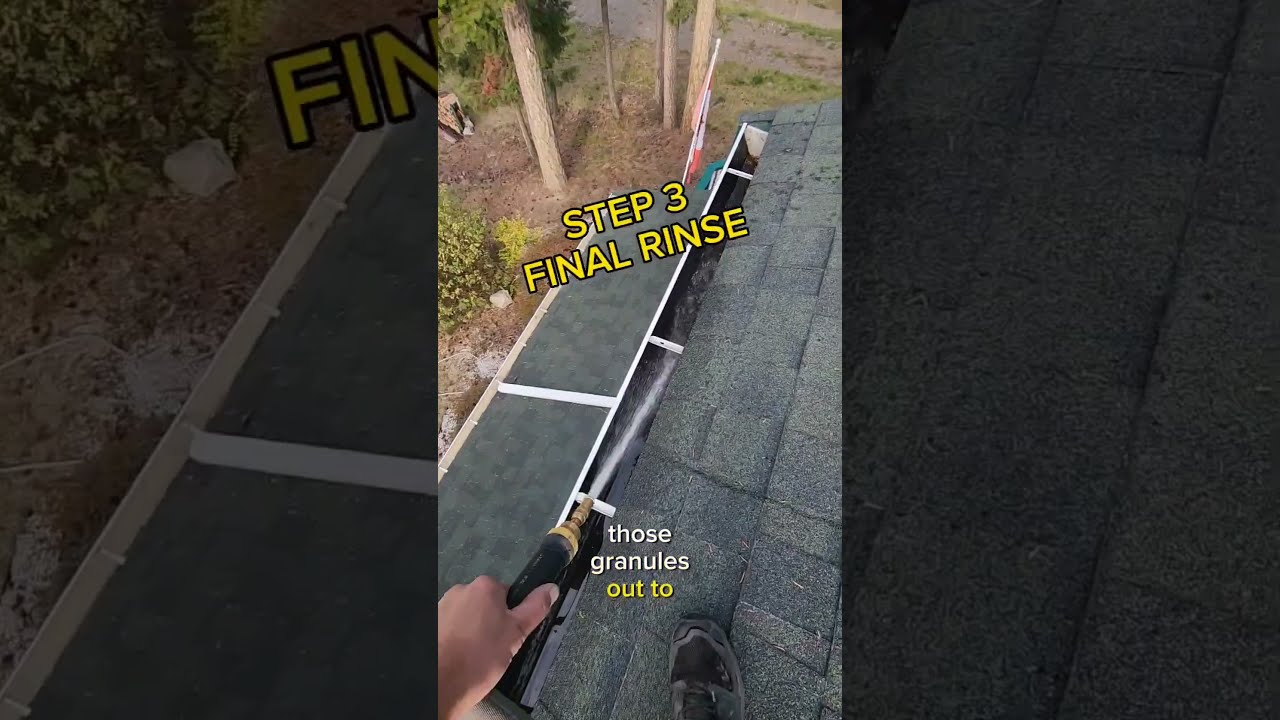
Leaking gutters can cause significant water damage to your home’s foundation, fascia, and soffits if left unaddressed. Whether you’re a DIY enthusiast or considering professional help, understanding the causes, detection methods, and repair techniques is crucial to maintaining a reliable gutter system. This guide provides comprehensive answers to common questions about fixing leaking gutters effectively, including preventative maintenance tips and when to seek expert assistance.
What Causes Gutters to Leak?
Leaky gutters often stem from a variety of issues that disrupt the smooth flow of water runoff. The most common causes include:
- Rusty Gutters: Over time, metal gutters such as steel or aluminum corrode, creating holes and weak spots prone to leaks. Cracks and Holes: Physical damage from weather, debris, or aging materials can lead to cracks or punctures in gutter surfaces. Loose Joints and Seams: Gutters connected by flashing or seams may loosen or separate, allowing water to escape at the joints. Sagging Gutters and Improper Gutter Pitch: If gutters sag due to loose hangers or incorrect slope, water pools rather than draining away, increasing leakage risks. Clogged Gutters: Leaves and debris block water flow, causing overflow that seeps through cracks or damaged areas. Damaged Flashing or Roof Leaks: Sometimes what appears as a gutter leak is actually water penetrating damaged roof flashing, fascia, or soffit, which requires thorough inspection to distinguish.
All these factors contribute to gutter problems that can escalate if not addressed promptly.
How Can I Identify and Locate the Source of a Gutter Leak?
Locating a gutter leak requires careful observation and testing. Follow gutter and soffit cleaning houston these steps to conduct a detailed gutter inspection:
- Visual Check During Rainfall: Observe gutters when it rains; look for dripping spots, water overflow, or areas where water pools on the gutter surface. Simulated Water Flow: Use a garden hose to run water through the gutter system, watching closely for leaks, drips, or blockages. Clear Debris Before Inspection: Remove leaves, twigs, and dirt with gutter cleaning tools to ensure you can see all potential trouble spots clearly. Inspect Joints and Seams: Examine gutter flashing and connections for cracks, gaps, or separation points that allow water to escape. Check Downspouts: Look for clogs, cracks, or detached sections that might redirect water back into gutters or against the house. Examine Gutter Hangers and Brackets: Loose or missing fasteners cause gutters to sag, resulting in poor water runoff and leaks. Roof and Fascia Inspection: Rule out roof leaks or fascia damage, as these issues may mimic gutter leaks but require different repairs.
A methodical inspection helps isolate the exact source of leaks and guides appropriate repairs.
What Tools and Materials Are Needed for DIY Gutter Repair?
Equipping yourself with the right tools and materials ensures safe and effective DIY gutter repair:
- Sturdy Ladder with Stabilizer: Essential for safe access to gutters; always follow ladder safety protocols. Safety Equipment: Gloves, safety goggles, and potentially a harness if working at heights to prevent injuries. Garden Hose: For flushing gutters and testing repairs. Waterproof Gutter Sealant or Caulking: Specifically formulated for outdoor use on metal or vinyl gutters. Metal Patches and Gutter Patch Kits: For repairing larger holes or cracks. Replacement Fasteners: Gutter spikes, hangers, and brackets to secure loose gutters. Putty Knife or Scraper: To clean old sealant and prepare surfaces before repairs. Wire Brush: For removing rust and debris prior to patching. Gutter Cleaning Tools: Scoops, trowels, or gutter vacuums to clear blockages effectively.
Having these materials ready streamlines gutter cleaning and repair projects while prioritizing safety.
How Do I Clean Gutters to Prevent and Fix Leaks?
Regular gutter cleaning is fundamental to preventing clog-related leaks and overflow. Follow these practices:
- Use a gutter scoop or small hand trowel to remove accumulated leaves, twigs, and dirt from the gutter troughs. Flush gutters and downspouts thoroughly with a garden hose to clear smaller debris and confirm proper drainage. Install gutter guards, leaf guards, or gutter screens to minimize debris buildup and reduce cleaning frequency. Perform gutter cleaning at least twice yearly — ideally in spring to remove winter debris and fall after heavy leaf drop. After storms, inspect gutters promptly for unexpected clogging or damage caused by wind-borne debris. Ensure downspouts are unclogged and water is directed away from the home's foundation to avoid soil erosion or water intrusion.
Routine gutter maintenance prevents overflowing gutters and prolongs gutter system life.
How Can I Repair Small Leaks and Holes in Gutters?
Address minor leaks swiftly with simple, effective steps:
- Dry the affected area thoroughly before starting any repair. Apply waterproof gutter sealant or caulking around small cracks or holes, smoothing it with a putty knife to ensure full coverage. For larger holes, cut a metal patch matching your gutter type (aluminum, vinyl, copper) slightly bigger than the hole. Clean rust, dirt, or old sealant off the patch and surrounding gutter surface using a wire brush. Apply gutter sealant liberally around the hole edges, then firmly press the patch onto the area, sealing all edges thoroughly. Allow the sealant to cure as per manufacturer guidelines before exposing the gutter to water flow.
These DIY repairs can significantly extend your gutter’s lifespan and prevent more costly damage.


When Should I Replace or Professionally Repair My Gutters?
While many small leaks and damages can be handled by homeowners, some situations require professional attention or full gutter replacement:
- If gutters are extensively rusty, have large or multiple holes, or sag severely beyond reparability, replacement is often more economical long-term than continuous repairs. Damaged roof flashing, fascia, or soffits associated with gutter problems typically need licensed contractors’ expertise. Complex downspout replacements or adjustments impacting drainage systems warrant professional evaluation. Safety concerns or lack of proper equipment for work at heights make hiring experts advisable. Professionals ensure correct gutter pitch and secure installation, preventing recurring leaks and water damage. Request an inspection if uncertain about damage extent or repair scope; this can save time and money by targeting repairs accurately.
Professional gutter repair or replacement enhances durability and protects your home's structural integrity.
How Do Downspouts Affect Gutter Leaks and What Repairs Are Needed?
Downspouts play a vital role in directing water runoff away from gutters and foundations, so their condition directly impacts gutter leak prevention:
- Clogged or damaged downspouts cause water backup in gutters, contributing to overflowing gutters and leaks. Inspect downspouts regularly for cracks, dents, or separation at joints that interrupt drainage. Clean out debris from downspouts during regular gutter cleaning sessions. Repair or replace broken or disconnected downspout sections promptly. Ensure downspouts discharge water at least 5 feet from the home's foundation to prevent soil erosion or water infiltration. Consider installing downspout extenders or splash blocks to improve water dispersion.
Properly maintained houston gutter inspection and cleaning downspouts are critical to an effective drainage system and leak prevention.
What Maintenance Practices Help Prevent Future Gutter Leaks?
Consistent gutter maintenance reduces the risk of leaks and costly repairs over time. Key practices include:
- Schedule seasonal gutter cleaning twice a year, particularly in spring and fall, to remove debris and check for emerging issues. Inspect and tighten gutter hangers, spikes, and brackets to prevent sagging gutters that disrupt water flow. Verify gutters maintain a proper pitch — generally a quarter-inch slope per 10 feet — to encourage drainage toward downspouts. Install gutter guards or leaf guards to limit debris accumulation and reduce maintenance frequency. Regularly examine flashing and downspouts for signs of wear or damage and address them promptly. Incorporate gutter inspection into your overall home exterior maintenance routine to catch issues early.
Preventive care is the best defense against water damage and preserves your gutter system’s functionality.
FAQ Section
Can I fix leaking gutters myself, or should I hire a professional?
Minor leaks and small holes can be repaired with DIY gutter sealants and patches if safety measures are followed. However, extensive rust, gutter maintenance houston tx major damage, or roofing and flashing problems call for professional gutter repair to ensure lasting solutions.
How often should gutters be cleaned to prevent leaks?
Gutters should ideally be cleaned at least twice yearly—in spring and fall—or more often if you have many overhanging trees or experience frequent storms.
gutter cleaning and repair houstonWhat is the best sealant to use for gutter repairs?
Opt for high-quality, waterproof, UV-resistant gutter sealants or caulking designed for outdoor metal or vinyl gutters. Always check compatibility with your gutter material and follow manufacturer instructions.
Why do gutters leak even after repairs?
Persistent leaks may result from improper gutter pitch, inadequate fastening, hidden flashing or downspout damage, or recurring clogs. A professional inspection can identify deeper problems missed during initial repairs.
How much does it typically cost to repair leaking gutters?
DIY fixes for minor leaks generally cost under $50 for materials. Professional repairs or partial replacements range widely from $200 to over $1,000 depending on damage extent, material, and labor costs.
Maintaining and repairing leaky gutters doesn't have to be overwhelming. With the right knowledge, tools, and regular upkeep, homeowners can effectively protect their homes from costly water damage. Whether you choose DIY repair or professional gutter installation, addressing leaks promptly safeguards your property’s foundation and exterior. Start with a thorough inspection, clean your gutters seasonally, and tackle repairs as soon as issues emerge to enjoy peace of mind all year round.